Discover the biology of sturgeon, from their ancient lineage and anatomy to their life cycle, eggs and genetics. Explore how these connect to the time it takes to produce caviar and the differences between farmed and wild fish.
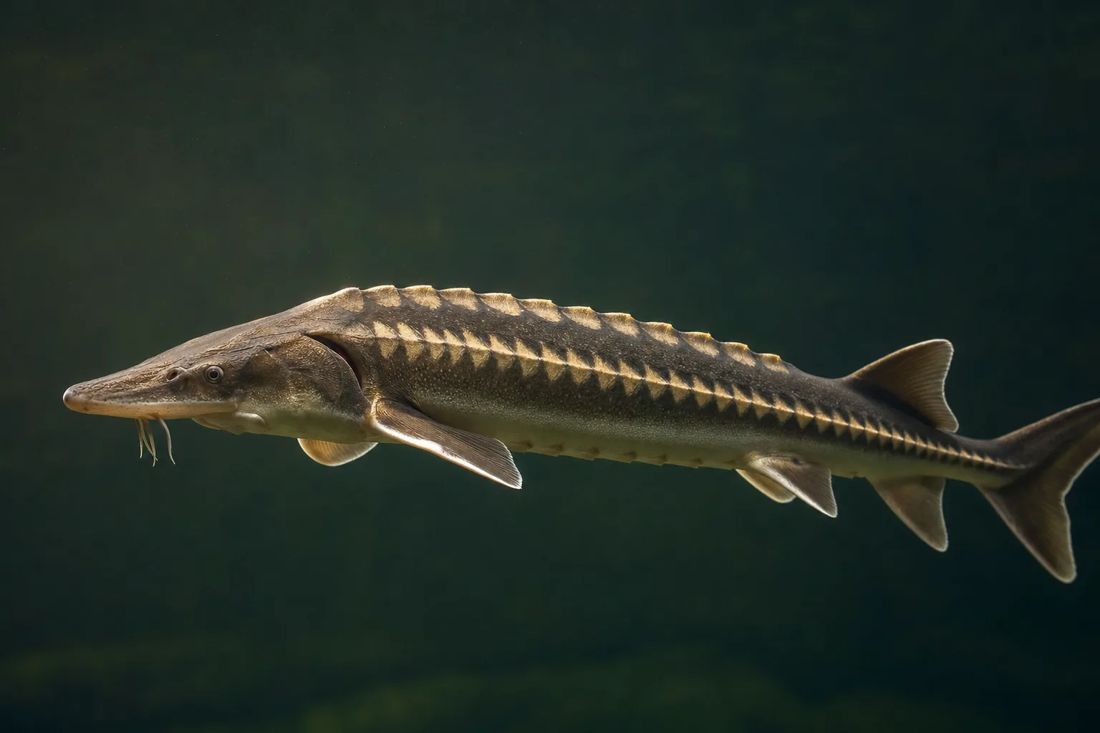
Discover why sturgeons are called living fossils, what their ancient relatives reveal, and why evolution has never stopped.
Read →Sturgeon AnatomyExplore how a sturgeon finds food, why its bony armour differs from its skeleton, and where its eggs grow.
Read →Sturgeon Life Cycle and MigrationDiscover how sturgeon grow from eggs into adults, and why some migrate to sea while others remain in freshwater.
Read →How Sturgeon Eggs Develop: Oocyte Stages and AtresiaFollow sturgeon eggs from early growth to maturation, and discover why follicle degeneration can damage the structures needed for intact caviar beads.
Read →Sturgeon Genetics, Polyploidy and HybridisationDiscover why sturgeon have so many chromosomes, how hybridisation differs from genome duplication, and what genetics means for caviar production and conservation.
Read →The 2025 Sturgeon Taxonomy Debate: Proposed Changes and Expert DisagreementDiscover why scientists disagree over sturgeon names, what the proposed changes mean for kaluga and beluga, and how to approach regulatory labels.
Read →How Farmed Sturgeon Differ from Wild SturgeonDiscover how farming can shape sturgeon growth, fat and egg chemistry, and why these differences do not necessarily mean genetic domestication.
Read →How Long Sturgeon Take to Produce Caviar, Species by Species