Welcome to Caviar Grading and Quality, where you can explore how caviar is graded and what trade names mean. Discover how bead size, flavour and aroma can help you judge quality, and why most grades are trade conventions rather than legal standards.
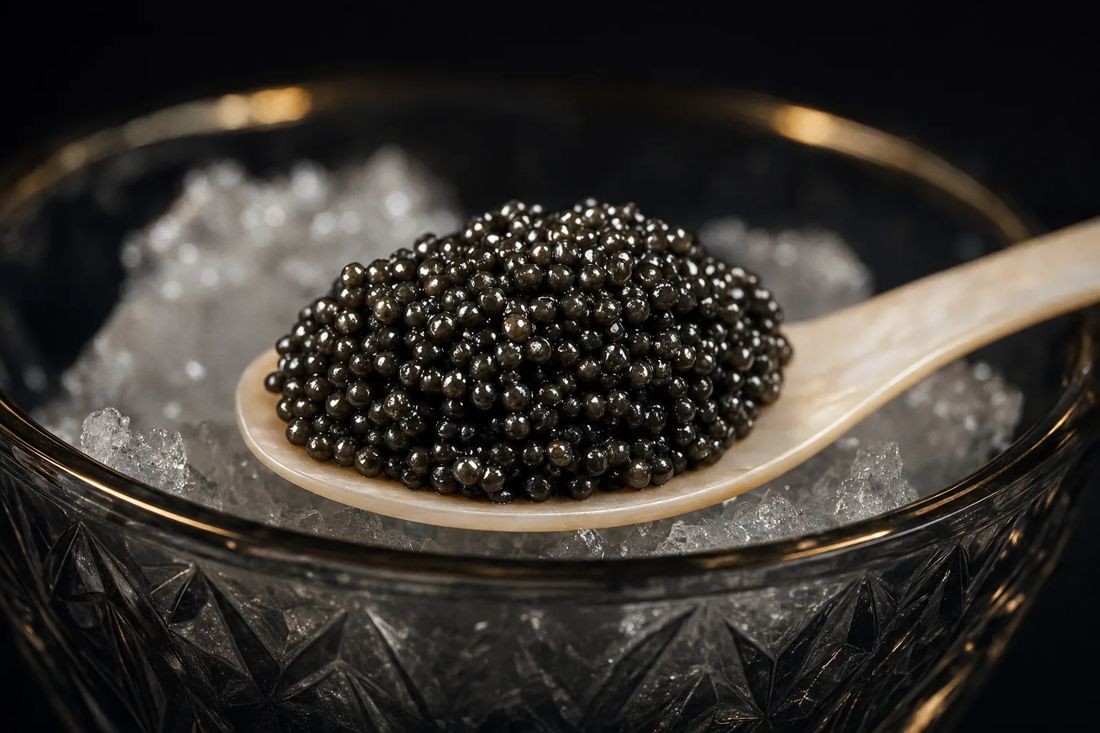
Learn what graders assess, why a grade is not a universal quality ranking and which questions to ask a supplier.
Read →Grade 1 vs Grade 2 Caviar: Trade Conventions ExplainedLearn what Grade 1 and Grade 2 usually mean, why seller descriptions differ and how the current Russian standard grades caviar.
Read →Bead Size, Colour and Firmness ExplainedLearn what caviar bead size, colour and firmness reveal, and why none proves quality on its own.
Read →Caviar Flavour Profiles: Buttery, Nutty, Briny, Creamy and MineralDiscover what buttery, nutty, briny, creamy and mineral mean in caviar tasting notes, and learn to describe aroma, taste and mouthfeel more precisely.
Read →Imperial, Royal, Reserve and Other Trade Names: What They MeanDiscover what Imperial, Royal and Reserve can mean in a seller’s range, and what to check before comparing caviar.
Read →Should Caviar Smell Fishy? Normal Aroma vs Quality ProblemsLearn how to distinguish caviar’s normal briny aroma from smells that may signal a quality problem.
Read →Caviar Quality Defects: Off-Flavours and Texture ProblemsLearn how to recognise muddy flavours, soft beads and excess liquid, understand possible causes and know when to stop eating or contact the seller.
Read →Fresh vs Aged Caviar: How Maturation Changes FlavourDiscover how maturation changes caviar’s flavour and texture, and why older does not necessarily mean better.
Read →Professional Caviar Tasting and ScoringLearn how professionals compare caviar samples, train tasting panels and score appearance, aroma, texture, flavour and finish under controlled conditions.
Read →